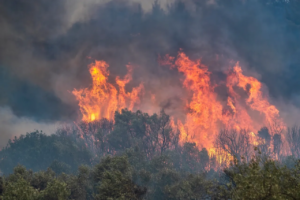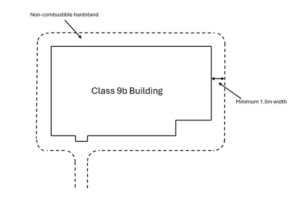

A recent client approached us with a pressing issue: their bushfire insurance costs had become unsustainable, and they needed a detailed risk assessment to demonstrate their commitment to reducing risk. This blog explores how early intervention and proactive risk management could make a tangible difference in addressing bushfire risks and potentially influencing insurance outcomes.
As Australia grapples with the intensifying impacts of climate change, the financial strain on property owners in bushfire-prone regions continues to mount. A significant contributor to this strain is the escalating cost of insurance. In some areas, premiums have increased, reflecting the heightened risk of bushfires and the growing frequency of catastrophic events.
For property owners and businesses operating in these vulnerable areas, finding sustainable solutions to manage these costs has become a pressing priority. One strategy is to use detailed bushfire risk assessments to demonstrate proactive risk mitigation to insurance providers, potentially influencing their underwriting considerations.
Why Are Insurance Costs Increasing?
Bushfire risks in Australia are rising due to a combination of factors:
- Climate Change: Warmer temperatures and prolonged droughts have intensified bushfire seasons.
- Urban Expansion: As urban development encroaches on bushland, more properties are exposed to bushfire risks.
- Historical Claims Data: Insurers base premiums on previous claims, and the growing number of high-cost bushfire events has driven up costs.
However, it is important to note that insurance premiums are influenced by broader factors beyond individual property risk, such as the overall risk exposure within a postcode or region.
The Role of Risk Assessments
Bushfire risk assessments are a valuable tool for understanding and managing risk. These assessments evaluate the specific bushfire risk associated with a property and recommend mitigation strategies to reduce vulnerability.
At Agilus, we have seen a marked increase in requests for such assessments, particularly from businesses seeking to demonstrate proactive risk management practices. A well-prepared assessment can:
- Identify Vulnerabilities: Highlight areas where a property is at greater risk of bushfire impact.
- Recommend Mitigation Measures: Suggest practical steps, such as vegetation management, building upgrades, or improved access for emergency services.
- Support Insurance Discussions: Provide insurers with detailed evidence of proactive risk management, which may contribute to a more favourable underwriting assessment. However, it is important to understand that changes to premiums are not guaranteed.
The Importance of Early Assessment
One of the most effective ways to manage bushfire risk is to conduct a high-quality assessment early, ideally, before a building is constructed. Early assessments ensure that construction requirements, such as compliance with bushfire building codes and standards, are integrated into the design and planning stages. This proactive approach not only reduces risk but also prevents costly retrofitting or non-compliance issues later on.
Managing Expectations Around Insurance
While proactive risk management and mitigation measures can improve safety and reduce bushfire vulnerability, they do not guarantee a reduction in insurance premiums. Insurance companies often assess risk based on broader factors, such as the overall risk exposure of a postcode or region. For example, properties in a postcode with a history of bushfires or other hazards may face higher premiums regardless of individual property measures.
It is important for property owners to approach risk management as a means to improve safety and resilience rather than solely focusing on potential insurance savings. Any reduction in premiums should be viewed as an additional benefit rather than the primary goal.
Benefits Beyond Insurance
The benefits of risk assessments extend far beyond insurance discussions. Implementing mitigation measures can improve safety for occupants, reduce potential damage to property, and contribute to community resilience in the face of bushfires.
A Collaborative Approach
At Agilus, we work closely with property owners, businesses, and communities to develop tailored solutions. Our expertise in bushfire planning and compliance ensures that the risk assessments we provide are robust, practical, and aligned with relevant regulations. These assessments not only aid in discussions with insurers but also foster greater awareness and preparedness for bushfire risks.
Taking the Next Step
If you’re navigating bushfire risks and need expert advice, consider a professional bushfire risk assessment. At Agilus, we are dedicated to helping property owners and businesses enhance safety and resilience. By addressing risks early and implementing effective mitigation strategies, you can protect your property and contribute to a safer future. Contact us today to learn how we can support your efforts to manage bushfire risks effectively.
Together, we can create a safer, more resilient future for bushfire-prone communities across Australia.
Disclaimer: The information provided in this article is for general guidance only and does not constitute professional or legal advice. While a bushfire risk assessment can assist in identifying and mitigating risks, it does not guarantee reductions in insurance premiums. Insurance companies assess premiums based on a variety of factors, including regional risk profiles and historical data, which are outside the control of Agilus. We recommend consulting with your insurance provider for specific advice regarding your policy and premiums. Agilus accepts no liability for decisions made based on the information provided in this article.