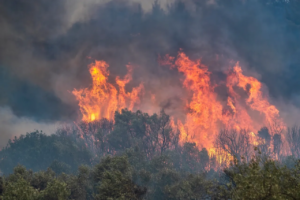
As summer approaches, bushfire season is well underway in many parts of Australia. Reports of early-season fires have already made headlines, serving as a stark reminder of the destructive potential of these natural disasters. Bushfires are an annual risk that building owners, especially those located in bushfire-prone areas, cannot afford to ignore. Protecting properties, infrastructure, and most importantly, lives requires careful planning, proactive measures, and adherence to relevant standards and regulations.
The 2019-2020 Black Summer fires, which burned over 24 million hectares and destroyed more than 3,000 homes, underscored the importance of being prepared. While many factors contribute to the intensity and spread of bushfires, building resilience through strategic upgrades and design is a critical part of risk mitigation. For those in high-risk areas, Australia’s bushfire protection standard, AS3959 – Construction of Buildings in Bushfire-Prone Areas, is a key guide to understanding how to protect structures from bushfires.
Understanding Bushfire Attack Levels (BALs)
One of the most important aspects of AS3959 is the concept of Bushfire Attack Levels (BALs). A BAL rating assesses the potential level of bushfire threat to property and ranges from BAL-LOW (minimal risk) to BAL-FZ (Flame Zone, the highest risk level). These ratings consider factors such as vegetation type, proximity to bushfire-prone areas, and the slope of the land.
Building owners should know their property’s BAL rating, as this determines the specific construction requirements needed to mitigate bushfire risks. These measures may include the use of fire-resistant materials, ember protection screens, and other design features to limit a building’s vulnerability.
Key Upgrades to Protect Your Building
If your building was constructed before the latest bushfire standards, upgrading it to meet AS3959 recommendations can significantly improve its resilience. Here are some key areas to focus on:
- Ember Protection: Embers can travel long distances ahead of a fire front, and even a small gap can allow embers to enter and ignite the building. Install ember screens made of non-combustible materials on windows, doors, and vents.
- Roof and Gutter Protection: Ensure your roof is constructed from non-combustible materials and that all gaps are sealed. Metal gutters with leaf guards or regular maintenance to clear debris can help prevent ignition.
- Windows and Glazing: Upgrading to toughened glass and installing bushfire shutters or screens can protect windows from radiant heat and embers. This is especially important in BAL-29 and higher-rated areas.
- External Walls and Cladding: Replace flammable external materials with non-combustible options like brick, stone, or fibre-cement cladding.
- Decks and Balconies: Timber decks are vulnerable to bushfires, so consider replacing them with fire-resistant alternatives or enclosing the underside to prevent embers from lodging underneath.
Landscaping and Defendable Space
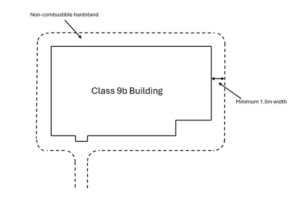
In addition to structural upgrades, maintaining a defensible space around your building is essential. Clear vegetation, fallen leaves, and debris within a 10-20 metre perimeter to create a buffer zone. This can slow the spread of a fire and reduce the likelihood of flames reaching your building.
Regular Maintenance and Emergency Plans
Building upgrades are just one part of bushfire preparedness. Regular inspections and maintenance, such as clearing gutters and checking seals on doors and windows, can make a significant difference. Additionally, having an emergency bushfire plan that includes evacuation routes, contact lists, and essential supplies is critical for safety.
Staying Informed and Prepared
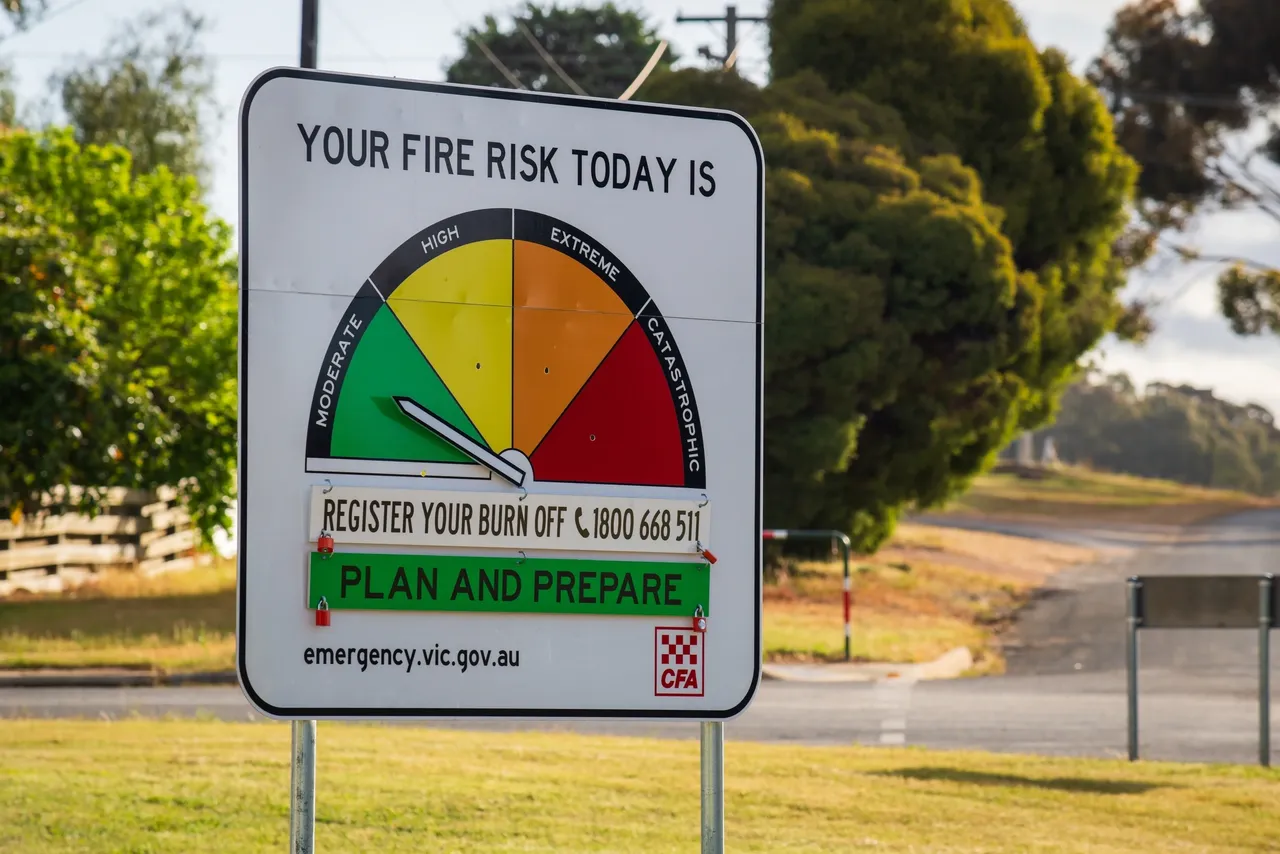
With bushfire season already affecting parts of Australia, staying informed is vital. Keep an eye on weather forecasts, fire danger ratings, and emergency alerts from local authorities. The more you know about the risks and your property’s vulnerabilities, the better prepared you can be.
Conclusion
Bushfires are an inevitable part of the Australian landscape, but their impact doesn’t have to be. By understanding and applying the principles of AS3959, building owners can make informed decisions to protect their properties and lives. Proactive upgrades and diligent preparation are investments that can save far more than just structures; they can save communities.
Stay safe this bushfire season and act now to build a more resilient future.
If you need assistance, reach out to the team at Agilus.