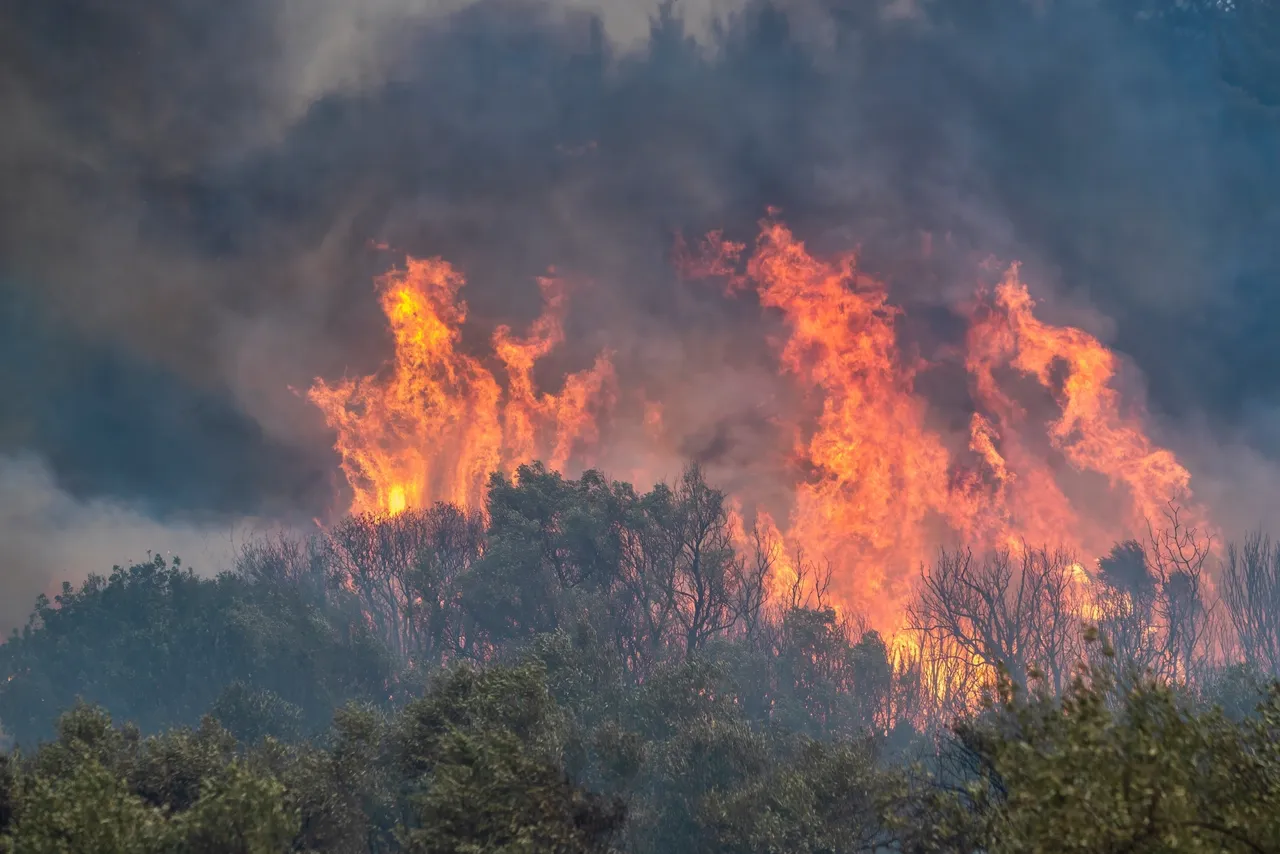
As global temperatures continue to rise, so does the frequency and intensity of natural disasters. Among the most destructive are bushfires, which have increasingly become a global concern. The United Nations (UN) has been sounding the alarm on this issue, calling for urgent action to address the escalating bushfire risks. In the coming years, the world could see more widespread and devastating bushfires, with dire consequences for the environment, human health, and economies.
The Growing Risk of Bushfires
Bushfires spread rapidly through dry vegetation, often exacerbated by drought, heatwaves, and strong winds. Historically, bushfires are common in Australia. However, climate change has expanded their reach and made them more severe.
The UN Intergovernmental Panel on Climate Change (IPCC) has warned that rising global temperatures, fueled by greenhouse gas emissions, are creating conditions ripe for more frequent and intense bushfires. These fires not only destroy vast areas of land but also release massive amounts of carbon dioxide, further contributing to climate change in a dangerous feedback loop.
Human and Environmental Impact
The human toll of bushfires is staggering. Lives are lost, homes are destroyed, and entire communities are displaced. The 2019-2020 Australian bushfire season, dubbed “Black Summer,” serves as a tragic example. More than 18 million hectares of land were burned, and thousands of homes were lost. Over 30 people died, and the fire’s impact on wildlife was catastrophic, with estimates suggesting that nearly 3 billion animals were affected.
Beyond the immediate destruction, the long-term health impacts of bushfires are equally concerning. Air quality during bushfire events can reach hazardous levels, leading to respiratory and cardiovascular issues. Vulnerable populations, such as children, the elderly, and those with preexisting conditions, are particularly at risk.
The environmental impact is also profound. Bushfires devastate ecosystems, wipe out habitats, and threaten endangered species. As fires become more frequent and widespread, the recovery of these ecosystems becomes more difficult, putting biodiversity at risk.
The Role of the United Nations
The UN has been at the forefront of addressing the bushfire crisis, recognizing that it is a global issue requiring collective action. In 2022, the UN Environment Programme (UNEP) released a report titled “Spreading like Wildfire: The Rising Threat of Extraordinary Landscape Fires,” which highlighted the increasing frequency of bushfires and called for greater investment in fire prevention, preparedness, and recovery.
The report emphasized that current fire management systems are often reactive, focusing on firefighting rather than prevention. UNEP advocates for a shift toward more proactive measures, such as:
- Early Warning Systems: Utilizing satellite technology and data analysis to predict and monitor fire risks.
- Land Management Practices: Implementing strategies like controlled burns and vegetation management to reduce fuel loads and prevent fires from spreading.
- Community Education and Resilience: Building awareness and resilience within local communities, ensuring they are better prepared for bushfire events.
- Global Cooperation: Strengthening international cooperation to share resources, knowledge, and technology for more effective bushfire management.
What the Future Holds
The future of bushfire risk will depend largely on the global response to climate change. If greenhouse gas emissions continue at current rates, we can expect bushfires to become even more frequent and severe. This will disproportionately affect regions already vulnerable to climate change, leading to greater economic losses, food insecurity, and displacement of populations.
However, the situation is not hopeless. The UN’s emphasis on climate action, fire prevention, and global cooperation offers a path forward. By investing in sustainable land management, reducing emissions, and equipping communities with the tools to prepare for and respond to bushfires, we can mitigate the worst impacts.
In the coming years, it will be critical for countries to heed the UN’s call and take swift, coordinated action. The fate of millions of people, ecosystems, and the planet itself depends on it.
Conclusion
The risk of bushfires is on the rise, and the next few years will be crucial in determining how well we can manage this growing threat. The United Nations continues to play a pivotal role in driving global action on bushfire prevention and climate change. While the road ahead is challenging, there is hope that with the right policies, investments, and international cooperation, we can reduce the devastation caused by bushfires and protect both people and the planet.