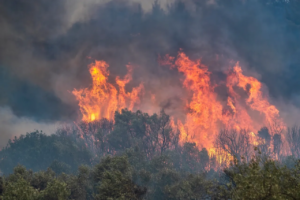
Bushfires are a natural part of Australia’s landscape, but their severity and frequency increase significantly during summer. While fires can occur at any time of year, summer conditions create a perfect storm for intense and widespread bushfire activity. Understanding why bushfires are more severe in summer can help communities prepare and mitigate risks effectively.
The Fire Triangle
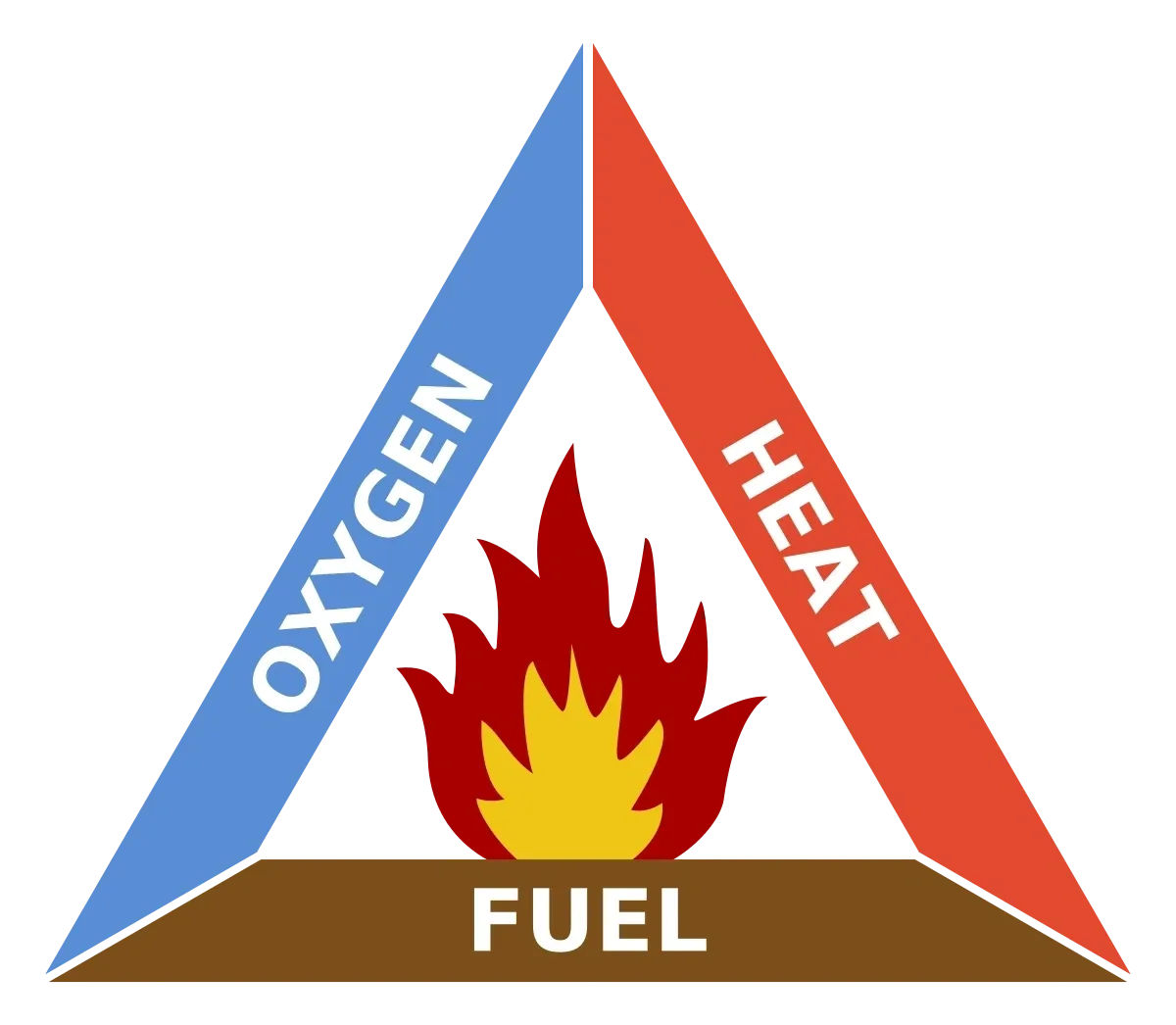
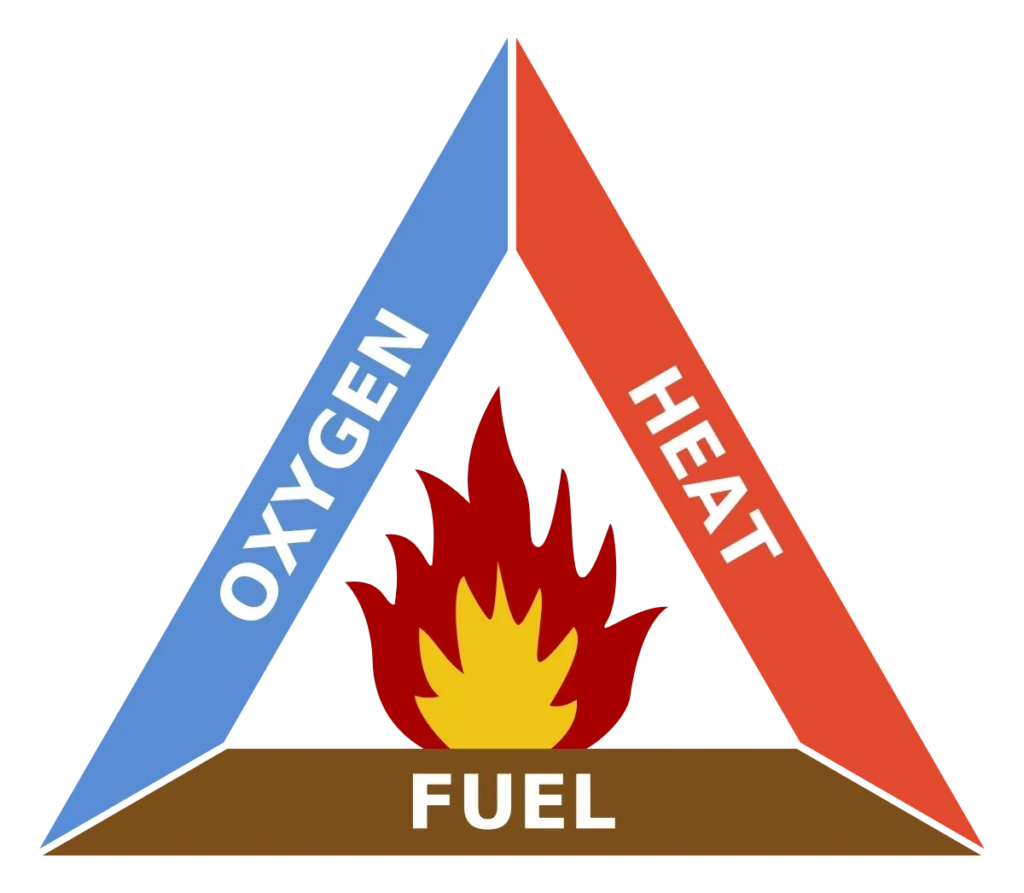
Understanding the fire triangle is essential to grasp how and why bushfires start and spread. A bushfire is an exothermic chemical reaction that requires three elements: heat, fuel, and oxygen. Heat sources, such as extreme temperatures, lightning strikes, or human activity, can ignite a fire. With adequate access to fuel, including dry vegetation and other debris, the fire is sustained and can spread rapidly. Oxygen, present in the air, allows combustion to continue. Higher levels of any of these three elements can accelerate fire development. If any of these elements are removed, the fire will be extinguished. This tactic of removing elements of the fire triangle forms the basis of all firefighting. However, in summer, heat and fuel availability are typically heightened, increasing the risk of severe bushfires and reducing the ability to suppress individual elements of the fire triangle.
1. High Temperatures
Summer is characterised by prolonged periods of high temperatures, which dry out vegetation and create highly flammable fuel loads. When temperatures soar, plant moisture levels often drop, making it easier for a fire to ignite and spread rapidly. Extreme heat also increases the likelihood of spontaneous ignitions, such as through lightning strikes or ember attacks.
2. Dry Vegetation and Fuel Load
During summer, vegetation may become drier due to extended periods of little to no rainfall. Furthermore, hotter temperatures also increase the evaporation of any moisture that is present. Grasses, leaves, and fallen branches accumulate, forming an abundant and easily ignitable fuel source. This dry fuel burns hotter and faster, contributing to the intensity of bushfires.
3. Strong Winds
Hot summer winds play a crucial role in bushfire severity. Winds help fires grow quickly by providing additional oxygen to the fire. Strong winds can also carry embers long distances, igniting new spot fires well ahead of the fire front. These embers can travel several kilometres, making containment efforts challenging. Strong winds also fan the flames, increasing the speed and intensity of the fire.
4. Low Humidity Levels
Humidity levels tend to be lower in summer, especially in inland and arid regions. Low humidity causes moisture in vegetation to evaporate more quickly, turning plants into highly flammable fuel. In contrast, higher humidity levels can help slow the spread of fires by keeping vegetation damp and less likely to ignite.
5. Increased Thunderstorm Activity
Summer often brings thunderstorms, which produce lightning without significant rainfall. Lightning strikes can ignite bushfires in remote areas, where they may go undetected until they spread significantly. Unlike wet-season storms, dry thunderstorms offer little relief, instead contributing to igniting new fires.
6. Human Activity and Ignition Sources
Summer coincides with holiday periods, leading to increased outdoor activities such as camping, barbecuing, and travelling through bushfire-prone areas. Accidental ignitions from unattended campfires, discarded cigarette butts, and vehicle sparks can quickly escalate into significant fires under the right conditions. Additionally, power lines and electrical faults become more vulnerable to causing fires in extreme heat.
7. Climate Change and Extended Fire Seasons
Climate change has been linked to longer and more intense fire seasons. Rising global temperatures lead to prolonged heat waves, reduced rainfall, and drier conditions overall. As a result, bushfire seasons are starting earlier, lasting longer, and becoming more destructive than in the past.
How to Prepare for Summer Bushfires
Given the heightened risk of bushfires during summer, individuals and communities must take proactive measures to protect themselves:
- Create a Bushfire Survival Plan: Consult with local fire authorities about evacuation procedures, meeting points, and emergency contacts.
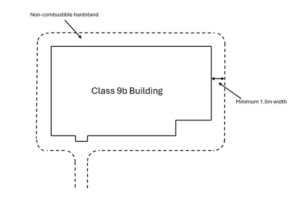
- Prepare Your Property: Clear gutters, trim vegetation, and maintain a defendable space around buildings.
- Stay Informed: Monitor weather conditions, fire warnings, and emergency broadcasts.
- Have an Emergency Kit: Include essentials such as drinking water, non-perishable food, medications, and protective clothing – everything you need to evacuate ASAP.
Conclusion
Summer conditions create the perfect environment for severe bushfires due to high temperatures, dry vegetation, strong winds, and increased human activity. As fire seasons become longer and more intense, it is crucial to stay vigilant and prepared. By understanding the factors that contribute to summer bushfires, individuals and communities can take necessary precautions to reduce risks and enhance resilience against future fire events.
Need Expert Advice? Contact Agilus Today!
At Agilus, we specialise in bushfire risk assessment, planning, and mitigation strategies to help protect your property and community. Our expert team provides tailored solutions to ensure compliance with bushfire safety regulations and minimise risks. Contact Agilus today to learn how we can assist you in preparing for the bushfire season.