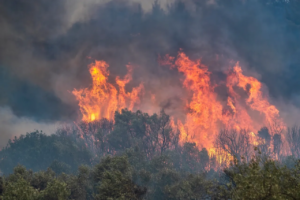
Australia’s Waste Management sector plays a vital role in environmental sustainability, yet it faces significant fire risks.
Handling large volumes of flammable materials, combined with the hot, dry climate, makes robust fire risk management practices essential. Here, we outline key strategies for waste management facilities to enhance safety, ensure compliance, and protect workers, assets, and the environment.
Fire Risks in Australian Waste Management Facilities
Australia’s waste facilities process a range of materials, each posing specific fire risks:
- Combustible Materials: High volumes of paper, plastics, and organic waste increase fire potential, particularly in warmer months.
- Climate: Australia’s hot, dry climate can heighten fire risks in outdoor storage areas.
- Hot Work: Welding and cutting can generate sparks that ignite nearby materials.
- Equipment Heat: Machinery like balers and compactors can overheat if not well-maintained.
- Waste Segregation Issues: Mixing flammable or reactive waste with general waste can lead to chemical reactions that increase fire hazards.
Essential Fire Risk Management Strategies
- Fire Risk Assessments
Identify and assess fire hazards specific to your facility. Regularly update assessments to reflect seasonal changes and evolving risks. - Preventive Measures
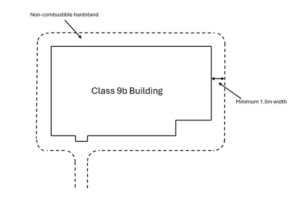
Implement effective waste segregation, environmental monitoring, regular equipment maintenance, and create firebreaks with fire-resistant materials. - Fire Response Plan
Establish a clear fire response plan with trained staff, coordinated emergency response strategies, and accessible firefighting equipment. - Technology for Early Detection
Invest in thermal imaging, smoke detectors, and automated sprinkler systems to catch fires early. - Regular Audits for Compliance
Adhere to local regulations and conduct regular audits to stay proactive in managing fire risks.
Fostering a Fire-Safe Culture
Encourage a culture of fire safety by training employees, promoting hazard reporting, and rewarding proactive safety efforts. Open discussions and frequent updates on fire safety keep this priority at the forefront.
Conclusion
Waste Management organisations in Australia face unique fire risks, requiring tailored, proactive fire risk management. By implementing comprehensive assessments, prevention, and response strategies, they can significantly reduce fire incidents and ensure safe, compliant operations .
Contact Agilus for fire risk assessments and safety planning tailored to Australia’s waste management sector. Reach out today to protect your facility and ensure compliance. Imagine what it costs not to.