Learn what AS3959 and BAL ratings mean for your home. Discover how building product requirements change across BAL levels and why certified testing matters.
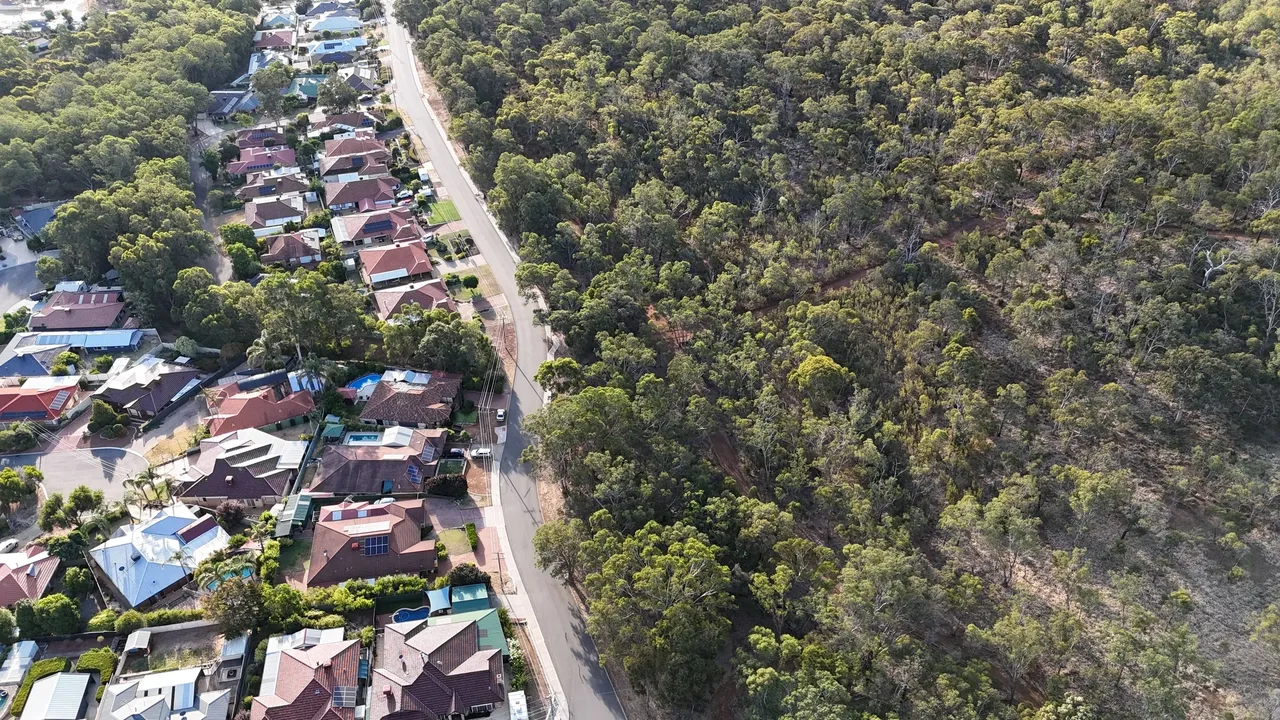
When building or renovating a home in bushfire-prone areas, AS3959 – Construction of Buildings in Bushfire-Prone Areas is the standard that sets the rules. It’s designed to improve the resilience of homes against bushfire attack. A key part of this standard is the Bushfire Attack Level (BAL), which determines the construction requirements based on the level of risk from bushfire exposure.
In this article, we’ll break down the different BAL ratings, what they mean for your home, and why it’s crucial to choose tested and certified building products.
What is a BAL Rating?
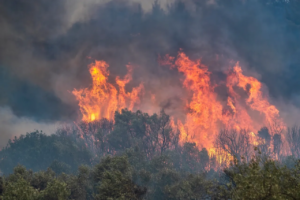
A BAL rating measures the severity of a building’s potential exposure to ember attack, radiant heat, and direct flame contact during a bushfire. It is assessed during a bushfire risk assessment and is expressed in levels, from low risk (BAL–LOW) to extreme risk (BAL–FZ, meaning Flame Zone).
Overview of BAL Ratings
BAL–LOW
- Risk level: Minimal risk from bushfire.
- Construction requirements: No special bushfire construction measures required.
BAL–12.5
- Risk level: Low risk, primarily from embers.
- Construction requirements: Ember protection measures like screened vents and gaps less than 3mm.
BAL–19
- Risk level: Moderate risk from radiant heat up to 19 kW/m².
- Construction requirements: More robust materials, thicker window glazing, and ember-resistant features.
BAL–29
- Risk level: High risk from radiant heat up to 29 kW/m².
- Construction requirements: Non-combustible external materials, bushfire shutters, and tougher windows.
BAL–40
- Risk level: Very high risk, including potential exposure to flames.
- Construction requirements: Fire-rated walls, non-combustible roofs, and windows that can withstand high heat and flame contact.
BAL–FZ (Flame Zone)
- Risk level: Extreme risk with direct flame contact.
- Construction requirements: Tested and certified fire-resistant materials, including external walls, roofs, and glazing systems.
How building products change between BAL Ratings
As the BAL rating increases, so does the requirement for fire-resistant and non-combustible materials. For example:
- At BAL–12.5: Timber cladding may be acceptable if it meets ember-resistance guidelines.
- At BAL–29: Non-combustible materials like metal or brick are often mandatory for external walls.
- At BAL–FZ: Every product, from windows to roof systems, must pass stringent testing to prove it can withstand direct flame exposure.
Why tested and certified products are non-negotiable
It’s not enough for a product to simply claim it’s “fire-resistant.” Under AS3959, building products must undergo rigorous fire testing by accredited laboratories, with test reports confirming their performance under specific BAL conditions.
Tips for homeowners:
- Ask for the test report – A reliable supplier should provide documentation that shows compliance.
- Check the BAL rating – Ensure the product is certified for the specific BAL level of your property.
- Work with specialists – Engage professionals who understand AS3959 and can guide you in choosing compliant materials.
Final Thoughts
Building or upgrading your home in a bushfire-prone area requires careful product selection and compliance with AS3959. Understanding your BAL rating and choosing materials that have been properly tested can make the difference between a home that withstands a bushfire and one that doesn’t.
If you’re unsure about your BAL rating or need guidance on compliant building products, Agilus can help. Our fire risk consultants specialise in bushfire assessments and can provide expert advice to keep your home safe and compliant.