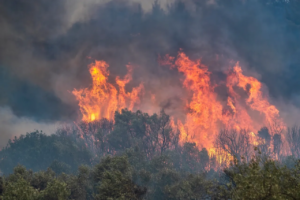
Victoria is one of the most bushfire-prone regions in the world, making fire preparedness essential for residents living in high-risk areas. One of the most effective measures to reduce the risk of property loss during a bushfire is the creation of defendable space. But what exactly does this term mean, and how does it help protect your home?
Understanding Defendable Space
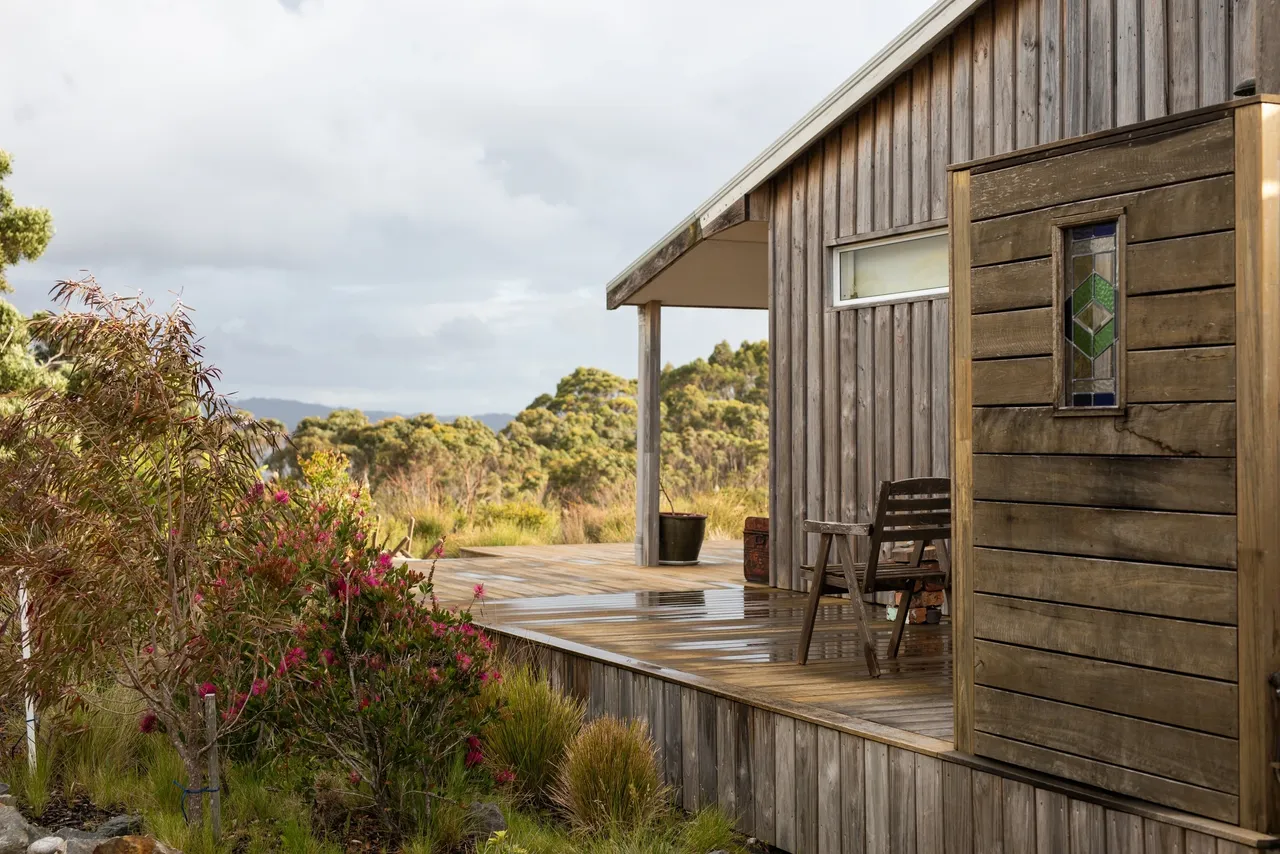
Defendable space is a managed area around a building where vegetation, flammable materials, and other potential fire hazards are reduced to minimise the impact of a bushfire. It provides a buffer zone that slows the spread of fire and improves the likelihood that firefighters can safely defend the property.
In Victoria, the concept of defendable space is incorporated into planning and building regulations, particularly under the Bushfire Management Overlay (BMO) and the Bushfire Management Statement or Plan. Property owners in bushfire-prone areas may be required to establish defendable space as part of their compliance with building and planning permits. The requirement for defendable space will be determined in accordance with the selected Bushfire Attack Level (BAL) determination. This is done to ensure the new building will not be exposed to a radiant heat level beyond it’s construction standard.
Why is Defendable Space Important?
A well-maintained defendable space offers multiple benefits, including:
- By removing or managing vegetation and other flammable materials, you decrease the amount of fuel available for a fire.
- A clear area around the home gives emergency services better access to defend the property.
- Homes with adequate defendable space are more likely to withstand ember attacks, radiant heat, and direct flames.
- A defendable space improves evacuation options and safety for residents who choose to stay and defend their property.
Creating and Maintaining Defendable Space
The Victorian Government and Country Fire Authority (CFA) provide guidelines on how to establish and maintain defendable space effectively. CFA will generally impose conditions on your development application that require your defendable space to be maintained in accordance with the following requirements (unless amended and approved by CFA):
- Grass must be short cropped and maintained during the declared fire danger period.
- All leaves and vegetation debris must be removed at regular intervals during the declared fire danger period.
- Within 10 metres of a building, flammable objects must not be located close to the vulnerable parts of the building.
- Plants greater than 10 centimetres in height must not be placed within 3 metres of a window or glass feature of the building.
- Shrubs must not be located under the canopy of trees.
- Individual and clumps of shrubs must not exceed 5 square metres in area and must be separated by at least 5 metres.
- Trees must not overhang or touch any elements of the building.
- The canopy of trees must be separated by at least 5 metres.
- There must be a clearance of at least 2 metres between the lowest tree branches and ground level.
Exemptions for existing buildings
The 10/30 and 10/50 vegetation clearing rules allow property owners in designated bushfire-prone areas to remove vegetation within specified distances of their homes without a permit. However, restrictions may still apply, especially in environmentally sensitive zones. Reference should be made to the local council website to ensure the currency of the exemption, as unlawful removal of vegetation can result in compliance breaches.
Final Thoughts
Defendable space is a critical component of bushfire preparedness in Victoria. By proactively managing the vegetation and potential fire hazards around your home, you significantly improve its resilience against bushfires. Whether required by law or implemented voluntarily, maintaining a defendable space could be the difference between survival and destruction in a fire event.
Disclaimer
The information provided in this blog is general in nature and should not be considered as legal or professional advice. Regulations and requirements can change, and each development application is unique. We strongly recommend consulting with qualified professionals and local authorities to ensure compliance with all applicable laws and guidelines.